
Product Design, Insights & Process, UX Strategy
What Is a Key Visual?
Let's start with what Key Visual (KV) is not. A logo by itself or a logo placed on an image is not KV. A key visual is symbols, colors, fonts. KV is everything meant to trigger a specific reaction. It should be a graphic code, the guiding motif of identity. A key visual evokes emotions you want associated with your brand. An individual KV should distinguish you from competitors.
Consistency and repetition in presenting the same brand image are crucial. This includes both advertising messages and other forms of communication with audiences.
The central point, figure, object or person, the visual key (key visual), also called the optical focal point, intended to attract and focus attention, to catch the eye (eye catcher) -- Krystyna Wojcik, Public relations from A to Z. Vol. 2, Placet, Warsaw 1997, ISBN: 83-85428-26-7 (44+2)
A logo needs support
A logo should be supported by an additional graphic message. Not only by using the same color, but also shapes, lightness/heaviness, style, and character of graphic elements. These are decorative, additional elements that, together with the logo, create a visual message - a signboard, a leaflet, a folder, or a press ad. Each of those visual messages can look different or the same. In my opinion, it is better when they all look the same or very similar.
A person can remember many images - photos, illustrations, colors, etc. That is why it is important for a brand to be consistent in its communication. Photos should use a similar color palette and style (similar arrangements). Fonts should be the same. Illustrations in the same style. Only then is there a chance that we will be noticed and stay in the audience's memory even for a moment. And here the cherry on top appears: our logo. This small, simple sign, visible on every visual message, reminds us at every contact that we are dealing with the same company. That is what the logo is for - to remind us of the look and taste of the cake.
Examples:
PZU - two arcs cut from the logo symbolizing brackets and protection from both sides. A very simple and understandable motif, additionally strongly tied to the logo itself. Thanks to this, the visual identity is expressive and the connection is impossible to miss. You can see that when the logo was created, the Key Visual was designed right away.


The Great Catering - a characteristic watercolor trail. Illustrations of vegetables and fruits and the logo background based on a painterly effect.

KV for product lines
A company that releases many products creates a separate Key Visual for each of them. Sub-brands are created for a different client, so they carry different content. And that content is always consistent and unique. Every smallest element conveys the climate of a particular brand so it cannot be mistaken for a competitor's gadget.
By applying a Key Visual, a company avoids ambiguity. Everything becomes clear: whenever you see a purple cow, you know it is Milka. You immediately recall the taste of chocolate melting in your mouth and, under the influence of this stimulus, you want to taste it again...
KV is especially important when you work with different firms producing, for example, business cards, banners, or TV spots. A unified visual system with graphics, logos, claims, and disclaimers (texts, campaign guiding phrases) lets you maintain consistency and prevents chaos caused, for example, by a vendor's wrong interpretation of your visual materials.
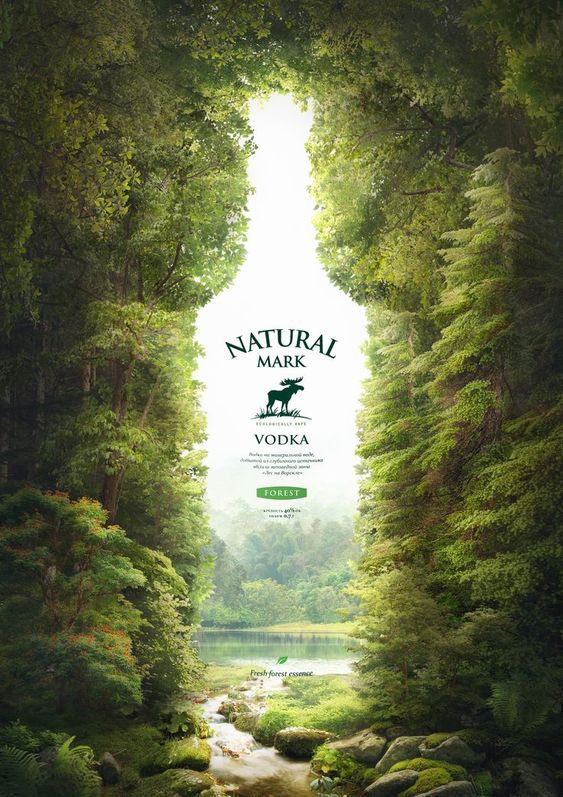
KV can be different for each campaign. The brand should consistently present elements such as colors and fonts so that products or services form a clear message.
Brand awareness
A key visual is a way to build brand awareness. It is a way to show consumers who product A or product B is for, what the brand is, what values it wants to promote, how it wants to be perceived, and what traits it wants to be associated with. Thanks to key visuals, brands can be shown as "more human" and closer to us, the consumers. Products are often presented in a different light than what users' previous experience might suggest. Does beer always have to be associated with a hot beach, palm trees, and a general chill-out? Not necessarily - the creative input of brand strategists can produce a brand key that presents the product, for example, in a winter sports setting.
A graphic guiding motif quickly becomes more recognizable than the logo itself and can sometimes appear without it, and yet the product will still be clearly associated with the producer.
Why is key visual important?
KV stays in the audience's memory and helps recognize the brand. Through the play of colors, shapes, using known people in the brand image, and other techniques, specific feelings toward the product are built. This technique is sometimes called "lovemarks." It is visible, among others, in Zubr ads: a strong animal in nature, always standing up for the weaker. Does that not evoke positive emotions?
What should a Key Visual look like?
Above all, how it looks is less important. What matters most is that it is simple and clear in its message and distinctive - especially in its industry and competitive context.
Graphic motifs:
- typography - using the same letters and sizes
- illustrations - the same style and character (including colors)
- photos - similar arrangements, concept, framing, etc.
- layout of graphics relative to text
- a specific graphic element repeated, e.g., PZU.
In summary:
- Think holistically about your brand image.
- A logo is only one element of a larger puzzle.
- When ordering a logo, think of the Key Visual as the most important motif supporting your brand's visual message.
- Remember that the Key Visual should support logo recall.
- The logo should be easy to remember, so it reminds us of the brand's Key Visual we have seen.