VR & Emerging Tech, Tech, Insights & Process
Virtual Reality in Design
What does VR mean for brands and visual creators? In a world where the boundary between what is digital and what is real is increasingly blurred, virtual reality (VR) stops being a technological curiosity and becomes a fully fledged tool in communication, sales, and experience design.
What is VR in the context of design?
Virtual reality is an immersive digital environment the user interacts with. Unlike classic 2D interfaces (websites, mobile apps), everything happens "inside" - from the first-person perspective. Every element - graphics, typography, motion, sound - affects the sense of presence and emotional engagement.
For a designer, this means a new field of action:
- we design not a screen, but a world,
- we think not only about the look, but about physics, space, and motion dynamics,
- we create not an interface but an experience (experience design in the full sense of the word).
What does VR change for brands?
A new communication language
Instead of talking about a product, you let people experience it. Instead of static campaigns, you create interactive brand worlds.
Higher memorability
Research shows that interactions in VR are processed by the brain like real events - they stay in memory longer and engage emotions much more strongly than traditional advertising.
Prototyping without limits
For UX designers, this is a chance to test interfaces, spaces, and features in a fully controlled environment - without physical costs.
Examples of VR use in design and marketing
Virtual showrooms - the customer enters a brand space, views products at 1:1 scale, changes colors, layouts, versions. Onboarding and education - instead of a PDF manual, the user goes through a learning experience. Events and launches - VR events with unique brand design and narrative (e.g., fashion collection presentations, a gallery opening in virtual space). UI/UX in 360-degree environments - designing interactions that account for gaze direction, gestures, voice, distance, and context.
Opportunities and benefits for your brand
Standing out - VR is still fresh enough that a well-designed experience sticks in memory and builds competitive advantage.
Better product understanding - especially in technical or interior industries where 3D visualization removes many barriers.
A new level of engagement - VR users spend more time with a brand on average than in classic online channels.
Risks and challenges
Technological entry barrier - not every target group has access to VR hardware.
Production costs - a VR project requires more resources than classic 2D campaigns.
UX without standards - in 3D worlds, the familiar patterns (like a top-right button) do not apply - you must create new interaction rules.
Stimulus overload - a poorly designed experience can be tiring and may even cause motion sickness.
What to pay attention to when designing for VR?
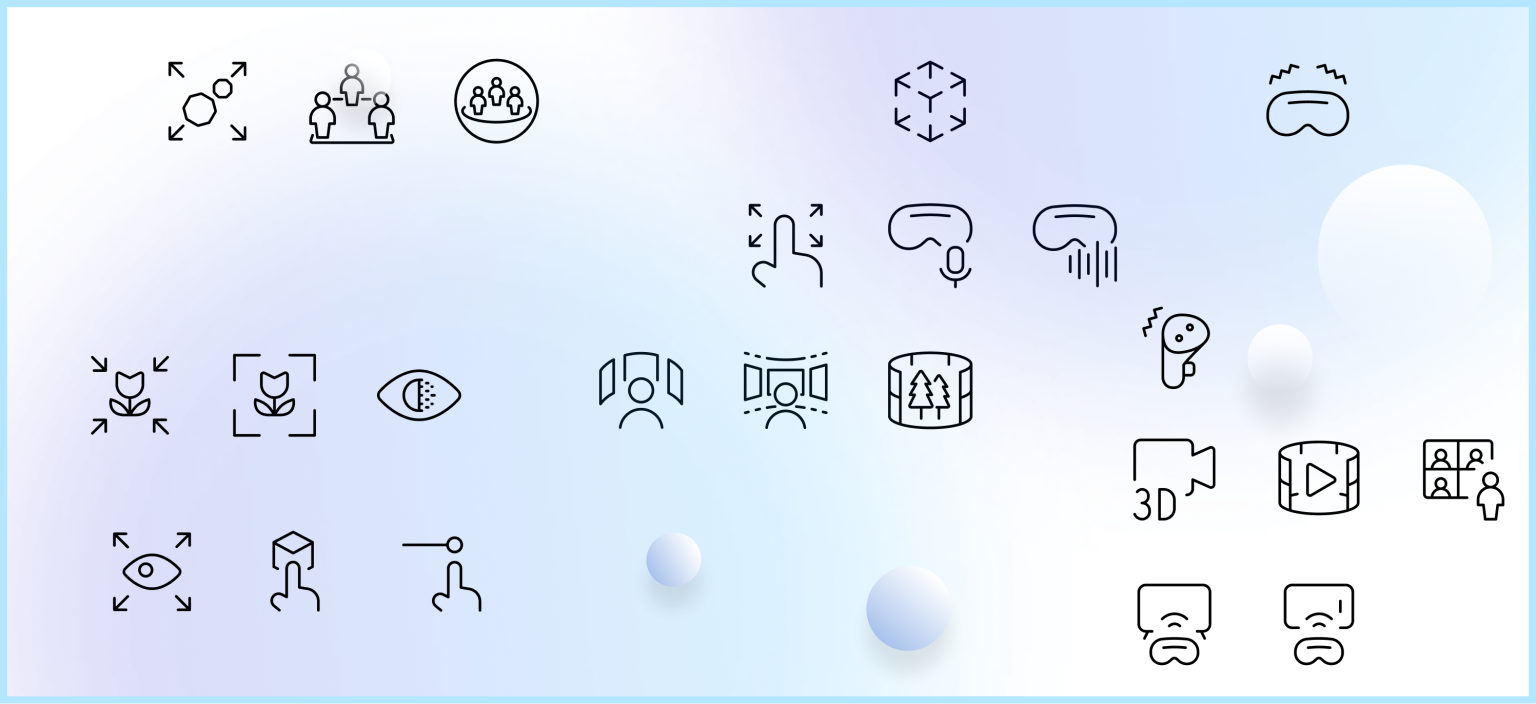
- Scale and perspective - the user experiences space, not a layout.
- Intuitiveness - the fewer explanations, the better. Design using analogies and subconscious mechanisms.
- Time in the experience - design the narrative with sensitivity: how often something changes, where the quiet moments are, how you guide attention.
- Sound layer - in VR, audio matters hugely for orientation and emotion.
Summary: does your brand need VR?
Not every one - but more and more companies should consider it. If your brand operates in the innovation space, wants to show a product in a new way, or needs differentiation, VR is a powerful tool.
For designers, it is also an expansion of the profession. Instead of designing graphics, you create sensations. Instead of chasing a "wow" effect, you design presence.
If you plan to use VR in communication or want to explore how this technology can support your brand's growth - it is worth designing it thoughtfully.
Want to talk about VR possibilities in your project?
Write to me - together we will create something you cannot scroll past.